
Roof Repair in Denver, CO
A small roof leak can turn into stained ceilings, damp insulation, and stressed-out evenings fast. If you have missing shingles, water spots, lifted flashing, or a roof that started dripping after a storm, it is time to get it checked before the damage spreads.
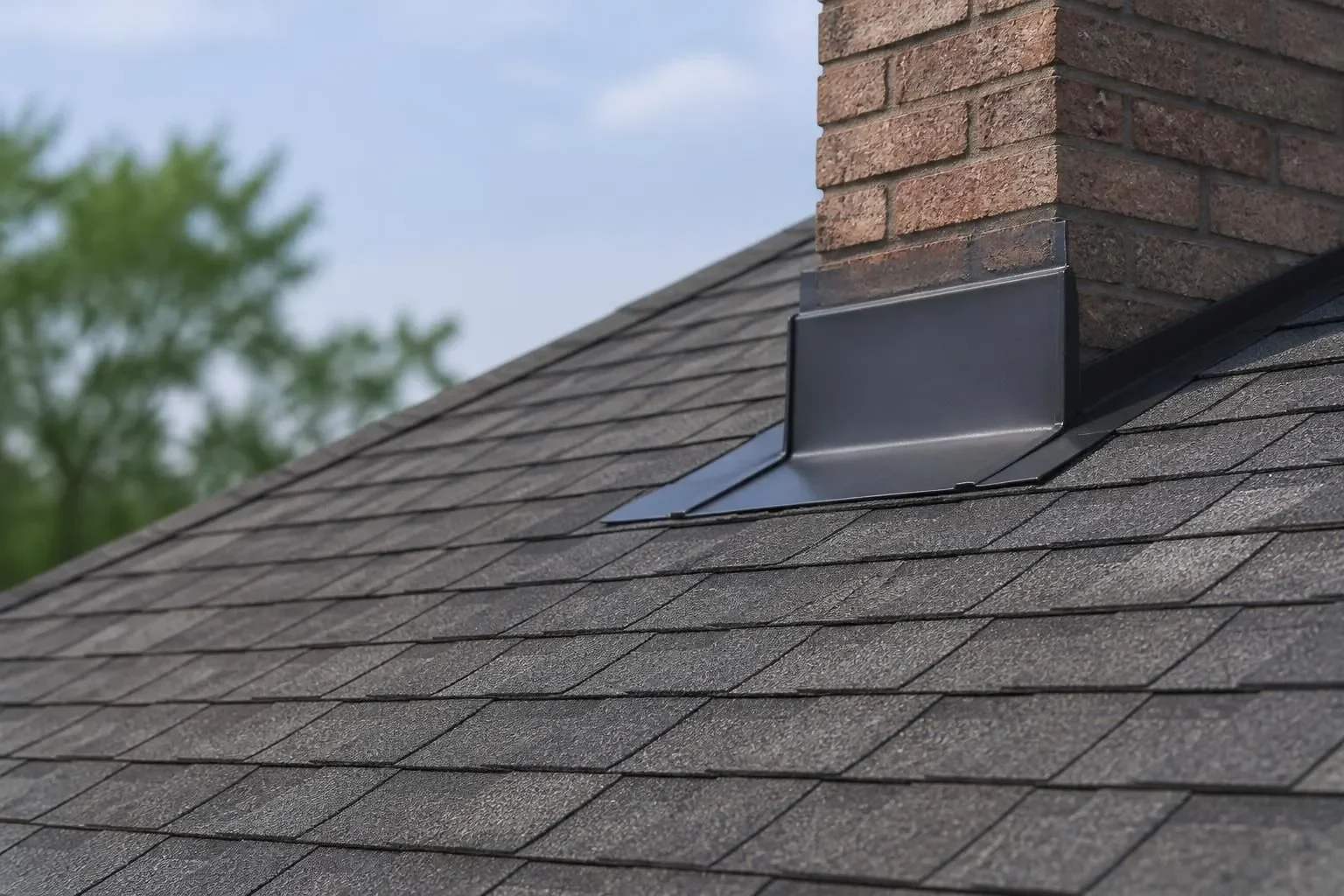
A small roof leak can turn into stained ceilings, damp insulation, and stressed-out evenings fast. If you have missing shingles, water spots, lifted flashing, or a roof that started dripping after a storm, it is time to get it checked before the damage spreads.
Summit Ridge Roofing helps homeowners across Denver, CO find the source of roof trouble and make clear repair recommendations. We look for the cause, explain the options, and protect your property while the work is underway.
Signs to watch
Roof problems do not always start with a dramatic leak. Some of the earliest signs are easy to overlook, especially from the ground. A careful look at these symptoms can help you decide when a repair visit makes sense.
- Water stains on ceilings or upper walls
- Shingles that are missing, curled, cracked, or lifted
- Granules collecting in gutters or at downspouts
- Dark spots or soft areas on the roof surface
- Interior musty odors after rain
- Flashing that looks bent, loose, or separated
If one of these signs shows up, the roof may need a targeted repair rather than a broad replacement. We inspect the roof surface, the flashing, and the most likely leak points so you are not guessing at the next step.
What we fix
Roof repair can mean a lot of different things depending on what failed and how far the damage has reached. Summit Ridge Roofing handles common residential repair work for Denver homes, from small fixes to more involved section repairs.
Leak tracing
Water often enters farther from the visible stain than homeowners expect. We trace the path of the leak to the point where the roof assembly is open, damaged, or separated.
Shingle repair
Wind, age, and wear can loosen shingles or leave sections exposed. We replace damaged shingles and address the surrounding area so the repair blends with the existing roof as closely as possible.
Flashing repairs
Chimney flashing, roof-to-wall transitions, and other joints are common leak points. When flashing fails, water can slip behind materials and cause hidden damage that keeps spreading.
Small section repairs
Sometimes the issue is limited to one roof area. In those cases, a focused repair can restore protection without disturbing the rest of the roof.
Our repair process
Homeowners usually want two things: to know what is wrong and to know what happens next. Our process is built around both.
- Roof review
We look over the affected area and check nearby surfaces for clues that point to the source of the problem. - Clear findings
We explain what we found, what needs attention now, and whether the damage looks limited or more widespread. - Repair plan
We outline the repair approach so you understand what work will be done before anything begins. - Property care
We take steps to protect the home around the work area and keep the site tidy while repairs are underway. - Finish and review
After the repair, we review the completed work and talk through any other areas that should stay on your radar.
This process helps keep repairs focused and practical. It also gives homeowners a clearer picture of whether the roof needs a small fix or a larger plan down the road.
After a storm
Storms can leave roof damage that is obvious from the yard or hidden until the next rain. If shingles are scattered, flashing looks displaced, or you notice a leak after rough weather, the roof should be checked sooner rather than later.
Storm damage does not always mean the entire roof is done for. In many cases, the damage is limited to specific areas that can be repaired. We look for missing or damaged materials, lifted edges, impact-related wear, and other signs that point to the source of the intrusion.
Acting quickly matters because damaged roofing can let water reach the layers below. Once that happens, the repair may become more involved than it would have been at first.
Repair or replace
Not every damaged roof needs replacement, and not every leak can be solved with a simple patch. The right answer depends on the age of the roof, the amount of damage, and whether the problem is isolated or widespread.
- Small, isolated damage
A few missing shingles, a loose flashing section, or a limited leak area may be a good fit for repair. - Repeated trouble spots
If the same area keeps leaking, there may be a larger issue beneath the surface that needs more than a quick fix. - Multiple worn areas
When several sections show wear at once, a repair may still help, but the roof may need a longer-range plan.
We talk through those differences plainly so you can make a decision based on the roof itself, not on pressure or guesswork.
What homeowners notice
Many roof problems first show up inside the house. That is why it helps to know what to watch for beyond the roof surface.
- Ceiling discoloration after rainfall
- Peeling paint near upper walls
- Drips or dampness around vents or light fixtures
- Drafts or insulation that feels damp near the attic
- Debris or granules in gutters after a windy day
These clues do not always point to one simple cause, but they do signal that the roof deserves attention. A repair visit can help narrow down the source before the problem moves deeper into the home.
Why local service matters
Roof repair works best when the contractor takes time to understand the home, the damage, and the details of the existing roof. Summit Ridge Roofing serves Denver, CO homeowners with that kind of careful approach.
We do not rush past the symptoms or leave homeowners wondering what was actually found. Instead, we look at the damaged area, explain the condition of the roof, and keep communication clear from the first visit through the repair itself. That makes it easier to move forward with confidence, especially when the leak or damage has already caused enough stress.
We also help homeowners across Arvada, Lakewood, Golden, and Westminster when they need the same straightforward roof repair support.
Common questions
How do I know if a leak is from the roof?
Water stains, ceiling spots, and damp attic areas often point toward the roof, but the visible damage inside is not always right under the entry point. A roof review helps trace where the water is getting through.
Can a small roof problem wait?
It may seem minor at first, but small damage can grow after more rain or wind. The sooner it is checked, the easier it is to keep the repair focused.
Do all missing shingles need full replacement?
Not always. If the damage is limited, a repair may be enough. The decision depends on how many shingles are affected and what the surrounding roof looks like.
What if the roof looks fine from the ground?
Some damage is hard to spot without getting closer. Lifted edges, flashing issues, and small openings can be missed from below even when they are causing trouble.
Will a roof repair address interior staining?
The repair should stop the water entry point, but stains already on ceilings or walls may need separate attention. First, the roof problem has to be corrected so the area does not keep getting wet.
How do I prepare for a repair visit?
Clear a path to the home, note any leak spots you have noticed, and share when the problem first started. That information can help us narrow down the likely source more quickly.
Start the repair
If your roof is showing signs of wear or leakage, Summit Ridge Roofing can help you figure out the next move. Call +13035550172 or email hello@summitridgeroofing.example to schedule roof repair service for your Denver, CO home. Our hours are Monday through Friday, 7:00 AM to 6:00 PM, and Saturday, 8:00 AM to 2:00 PM.
Our Services
Roofing Services for Homes in Denver
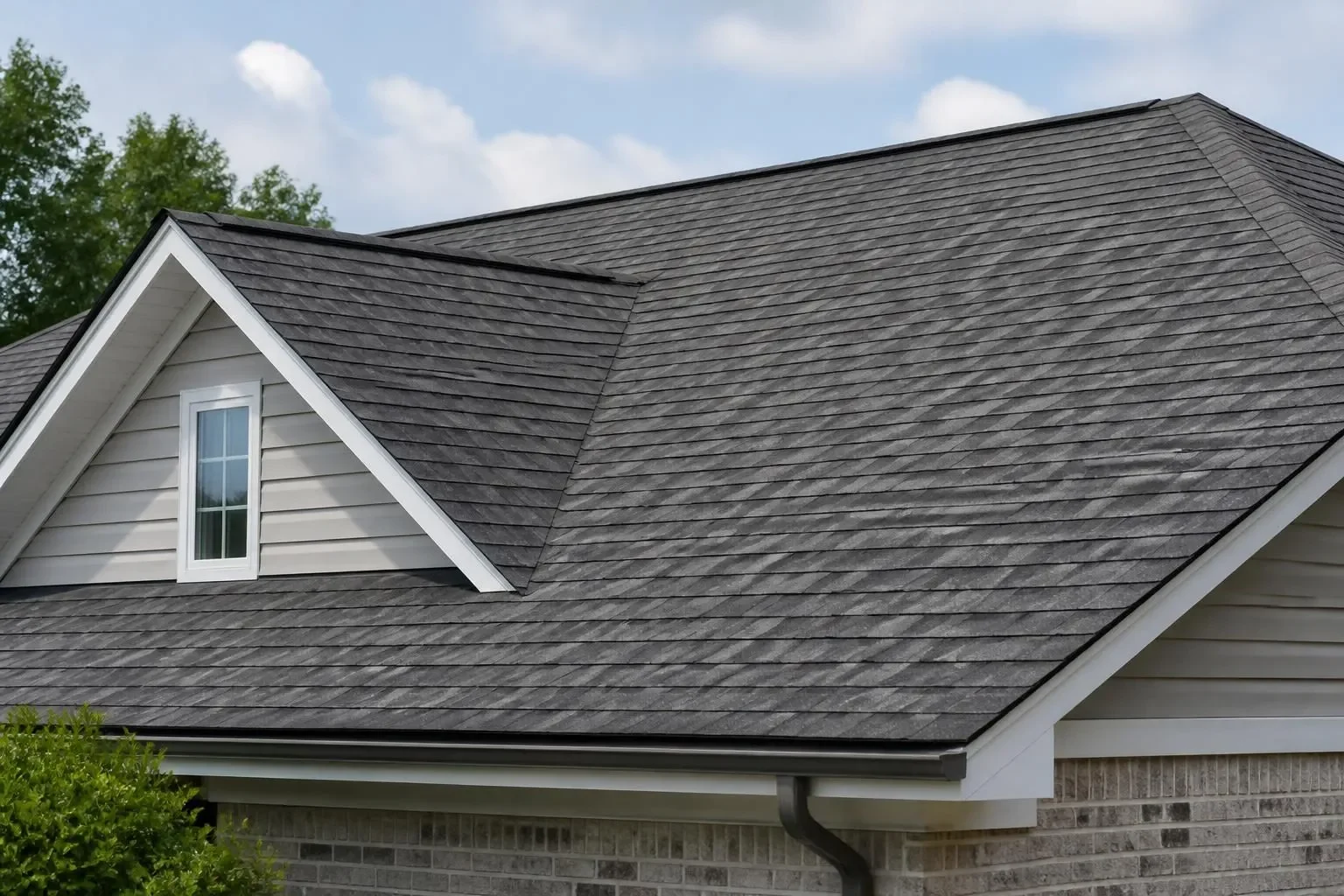
Roof Replacement
Roof Replacement for Denver homes, with clear guidance from inspection to cleanup.

Roof Inspections
Catch roof problems early with a careful inspection and clear next steps for your home.
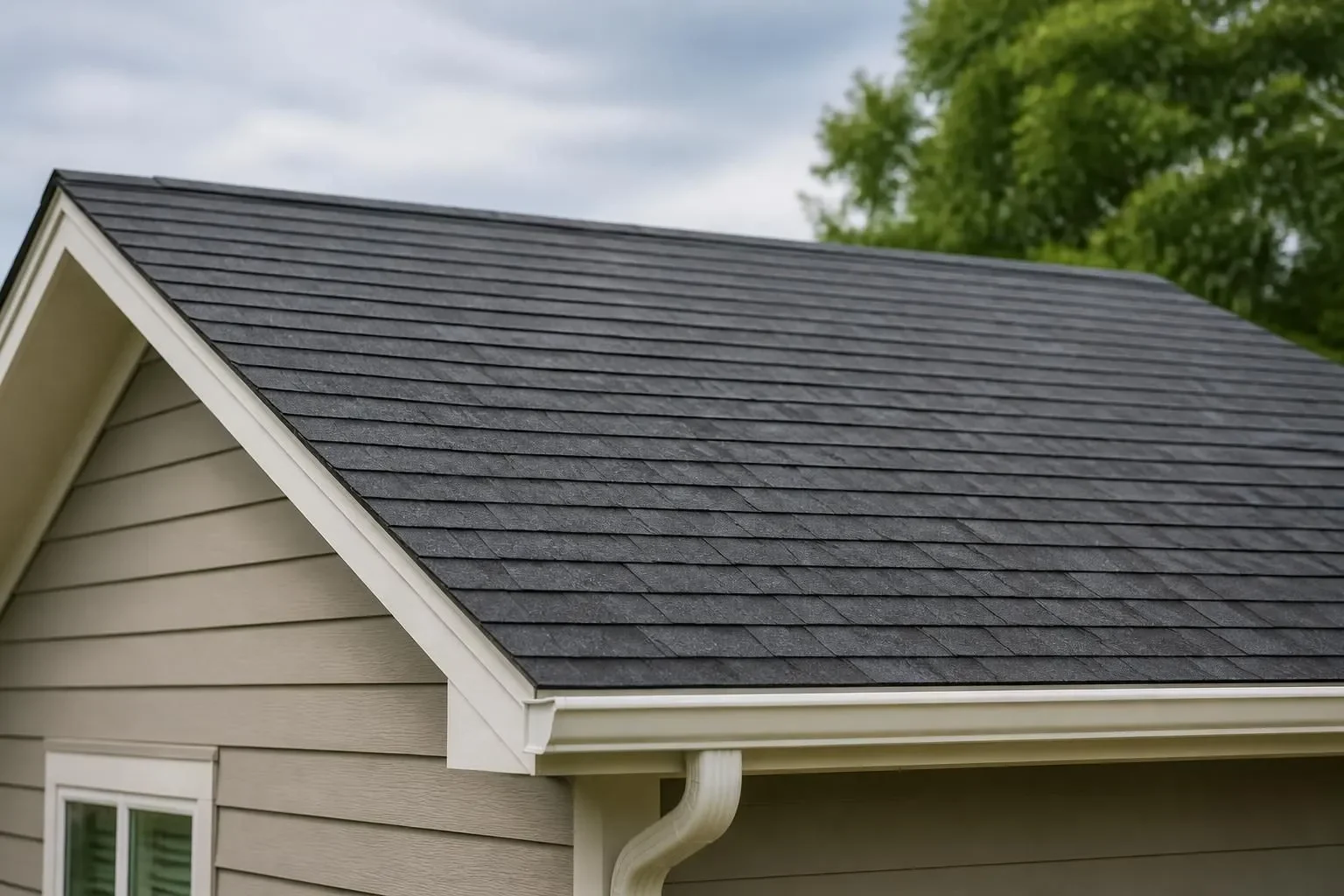
Storm Damage Repair
Storm damage can spread quickly, and timely roof repairs help protect your Denver home.
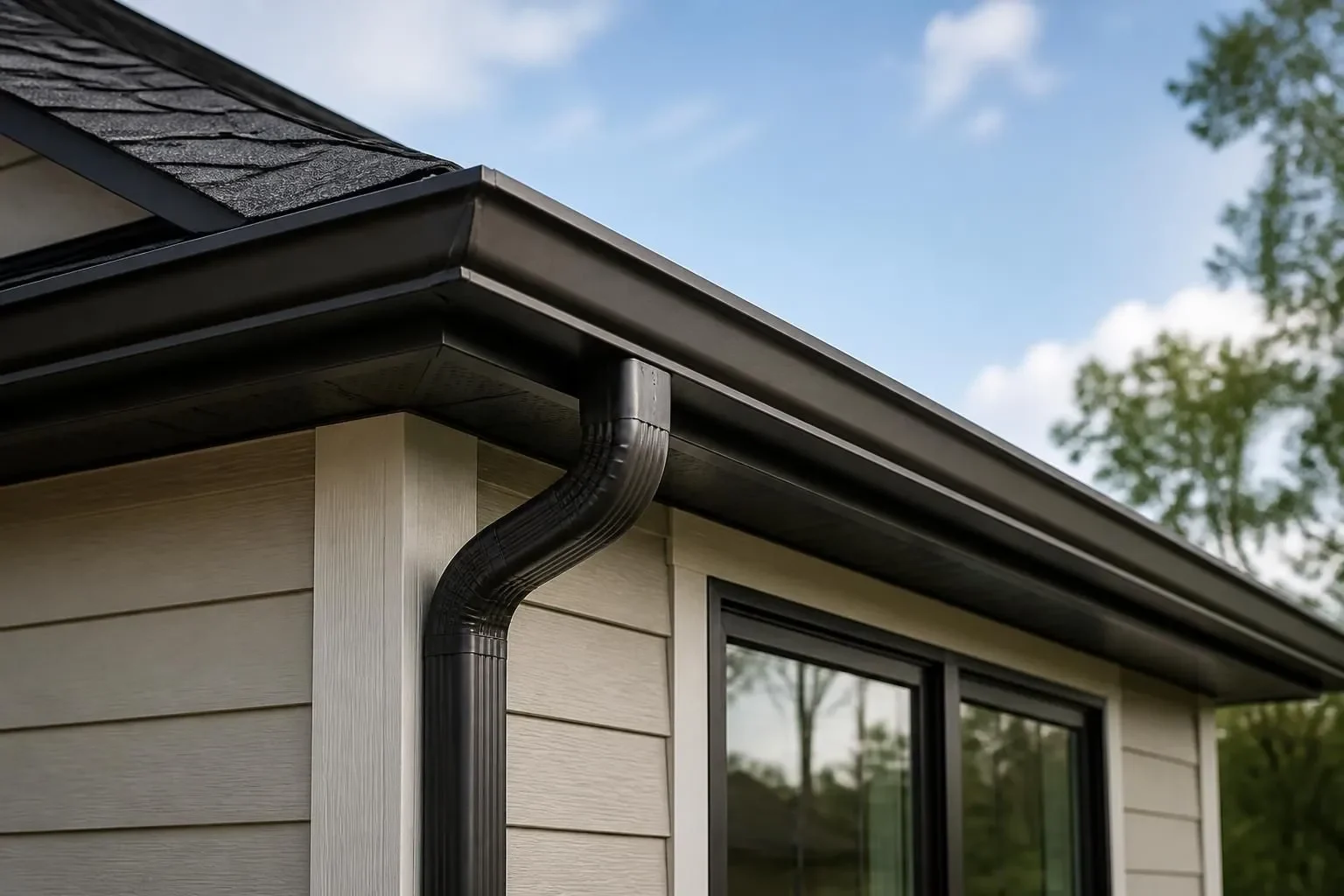
Gutter Installation
Protect your home from overflow and edge damage with careful gutter installation.
Get Started
Talk With A Roofing Team You Can Rely On
Share what you are seeing on your roof, whether it is a leak, missing shingles, storm damage, or an aging system. We will help you understand the next step and what your home may need.
Or call us now:+1-303-555-0172