
Storm Damage Repair in Denver, CO
If a storm left shingles curled, shingles missing, or debris scattered across your roof, the next rain can make the damage worse fast. Water can start working under loose edges, stain ceilings, and leave you wondering how serious the problem really is.
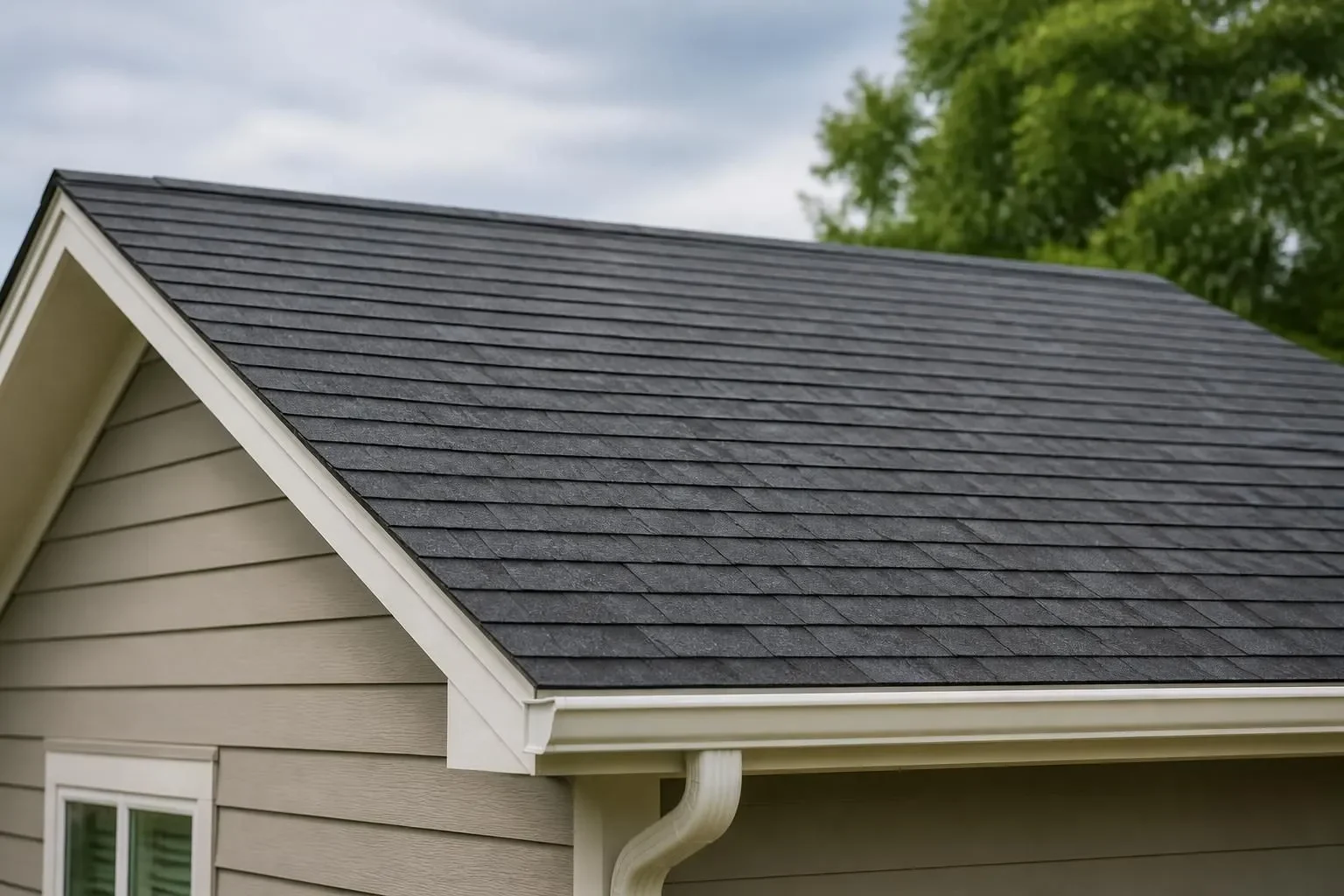
If a storm left shingles curled, shingles missing, or debris scattered across your roof, the next rain can make the damage worse fast. Water can start working under loose edges, stain ceilings, and leave you wondering how serious the problem really is.
Summit Ridge Roofing helps Denver homeowners sort out storm damage with clear roof inspections, straightforward repair options, and careful work that protects the rest of the property. If you have visible damage or suspect a leak after rough weather, we can take a close look and explain what should happen next.
Storm damage signs
Not every storm problem is obvious from the ground. Some damage is easy to spot, while other issues show up later as slow leaks or indoor stains. After severe weather, look for these warning signs around your home:
- Missing, lifted, cracked, or dented shingles
- Shingle granules collecting near downspouts or on patios
- Water stains on ceilings or upper walls
- Moisture around vents, skylights, or roof edges
- Loose flashing near chimneys or roof transitions
- Gutter sections that look bent, clogged with debris, or pulled loose
If you see any of these, it helps to schedule an inspection before the next round of weather. A small opening can let water travel farther than expected, which makes a repair more involved.
What we inspect
Storm damage repair starts with a careful inspection, not guesswork. Summit Ridge Roofing looks for visible impact, hidden weaknesses, and signs that water may already be getting under the roofing system. We also check areas where storms often do the most harm.
Roof surface
We check the roof covering for lifted shingles, cracked material, punctures, torn edges, and areas where wind may have exposed the underlayment.
Edges and flashings
Roof edges, valleys, vents, skylights, and chimney areas often need close attention because water tends to enter where different materials meet.
Drainage areas
We look at gutters and downspouts for impact, clogging, or separation, since storm debris can send water where it should not go.
This inspection helps identify whether the roof needs a focused repair or a larger response. It also gives homeowners a clearer picture of what was affected and what can wait.
Repair options
Storm damage can range from one damaged section to broader roof wear across several areas. The right repair depends on what the inspection shows and how much of the roof was affected.
- Targeted shingle repair
When the storm damage is limited to a small area, we can replace damaged shingles and restore the exposed section before water spreads farther. - Flashing repair
If wind or impact loosened flashing around roof details, we repair those openings so water has fewer places to enter. - Leak repair
When a storm created an interior leak, we trace the source and repair the damaged roof area rather than just treating the visible stain inside. - Gutter work
Storm debris can bend, clog, or pull gutters out of alignment. We handle gutter installation work when damaged sections need replacement or a new drainage setup.
Some roofs only need a few repairs. Others need a broader plan because the storm affected multiple parts of the roof at once. We explain those differences so you can make a clear decision.
How we work
Homeowners usually want two things after a storm: a roof that no longer leaks and a process that does not create extra stress. We keep the job organized and easy to follow.
- Inspection
We evaluate the roof, note visible damage, and look for signs that water has reached other areas. - Clear explanation
We walk through what we found, which areas need attention, and which repairs are optional versus urgent. - Property protection
During the work, we take steps to protect the home and surrounding areas from unnecessary mess or disturbance. - Repair work
We complete the needed repairs using the approach that matches the damage, then check the repaired sections for coverage and alignment. - Final review
We review the finished areas so you understand what was repaired and what to watch for afterward.
Summit Ridge Roofing keeps communication direct throughout the process, so you know what the roof needs and why.
After the storm
What you do next can make a real difference. Try not to climb onto the roof yourself. Even if the damage looks minor, wet or weakened materials can be slippery and unstable. Instead, document what you can see from the ground and note any indoor signs such as drips, stains, or musty areas near the ceiling.
If debris is sitting on the roof or gutters are packed, leave removal to a roofing contractor. Pulling debris the wrong way can loosen surrounding material and create a larger repair area. The goal is to avoid turning one damaged spot into several.
For Denver homeowners, fast action after a storm helps limit follow-up damage and keeps the repair focused on the affected sections.
Roof replacement signs
Sometimes storm damage is limited. Other times the inspection shows a roof that has taken repeated hits or has too many damaged areas to patch efficiently. When that happens, roof replacement may be the smarter long-term choice.
Common signs that a replacement may be worth discussing include widespread missing shingles, repeated leak points, large sections of impact damage, and repairs that would only address part of a broader problem. We do not push that answer when a repair will do the job, but we will point out when the roof has moved beyond a simple fix.
That conversation matters because a patch can stop a current leak, while a larger replacement may better address age-related wear that the storm revealed.
Denver weather response
Storms can leave a roof looking intact from a distance while still opening up weak spots around edges, flashings, and drainage areas. In Denver, that means the condition of the roof after a storm deserves a closer look, even when the damage is not dramatic at first glance.
We help homeowners across Denver, CO, plus Arvada, Lakewood, Golden, and Westminster with storm damage repair, roof inspections, roof replacement, roof repair, and gutter work. That local service area means we are used to helping homeowners compare visible damage with the repairs actually needed.
If you are unsure whether the roof needs a minor repair or more extensive attention, an inspection can save time and reduce uncertainty.
Common questions
How do I know if storm damage is hidden?
Look for interior stains, damp attic areas, lifted shingles, and debris that appeared after the storm. Hidden damage often shows up at roof edges and around penetrations.
Should I wait to check the roof?
No. The sooner the roof is inspected, the easier it is to catch damage before water spreads into more areas of the home.
Can one storm cause several repair areas?
Yes. Wind, impact, and debris can affect shingles, flashing, and gutters at the same time, which is why a full inspection matters.
What if I only see a small leak inside?
A small interior leak can still point to a larger exterior issue. The visible stain is often not the exact entry point, so the roof should be checked.
Do gutters matter after storm damage?
They do. Damaged or clogged gutters can send water toward fascia, siding, and roof edges, which can complicate a roof repair.
What should I tell the roofer first?
Share when the storm passed, what you noticed afterward, and whether you have seen any new stains, drips, or debris on the roof or near the gutters.
Schedule a look
If your roof took a hit from recent weather, Summit Ridge Roofing can inspect the damage and explain the next step without making the process harder than it needs to be. Whether the repair is small or more involved, the goal is to protect your home and get the roof back to a secure condition.
For storm damage repair serving Denver, CO, contact us at hello@summitridgeroofing.example or call +13035550172 during business hours.
Our Services
Roofing Services for Homes in Denver
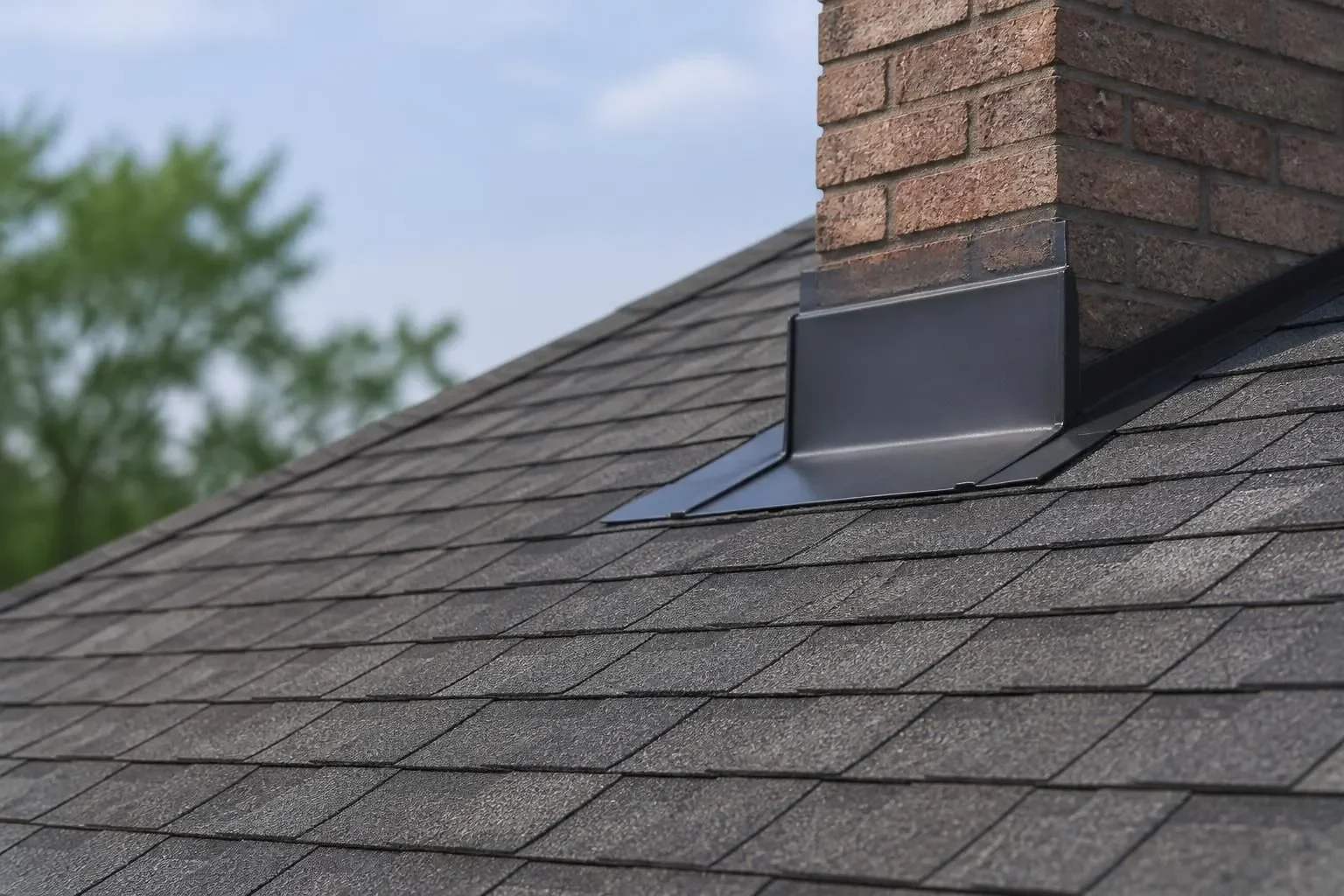
Roof Repair
Fast, careful roof repairs for Denver homeowners dealing with leaks, damage, or worn shingles.
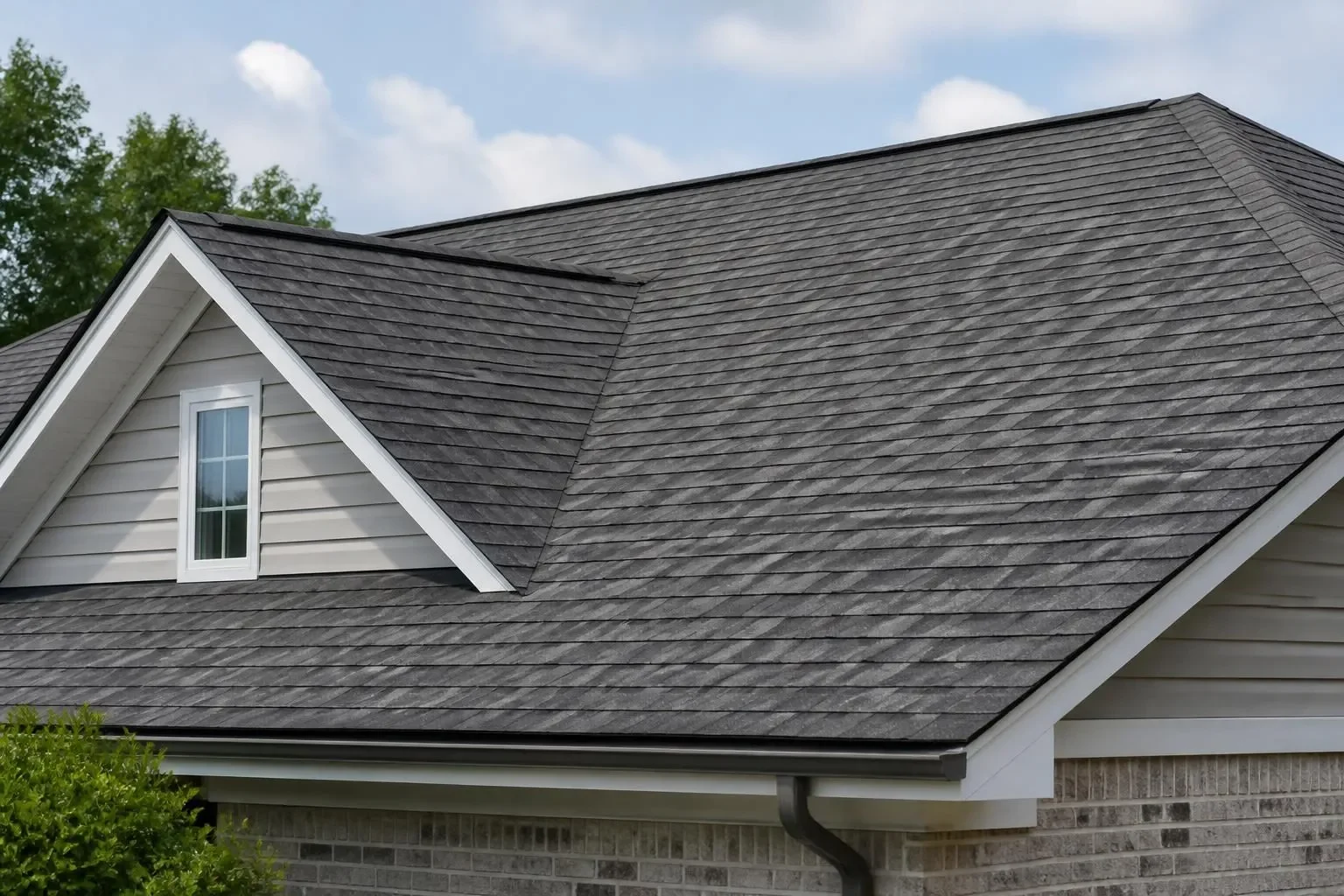
Roof Replacement
Roof Replacement for Denver homes, with clear guidance from inspection to cleanup.

Roof Inspections
Catch roof problems early with a careful inspection and clear next steps for your home.
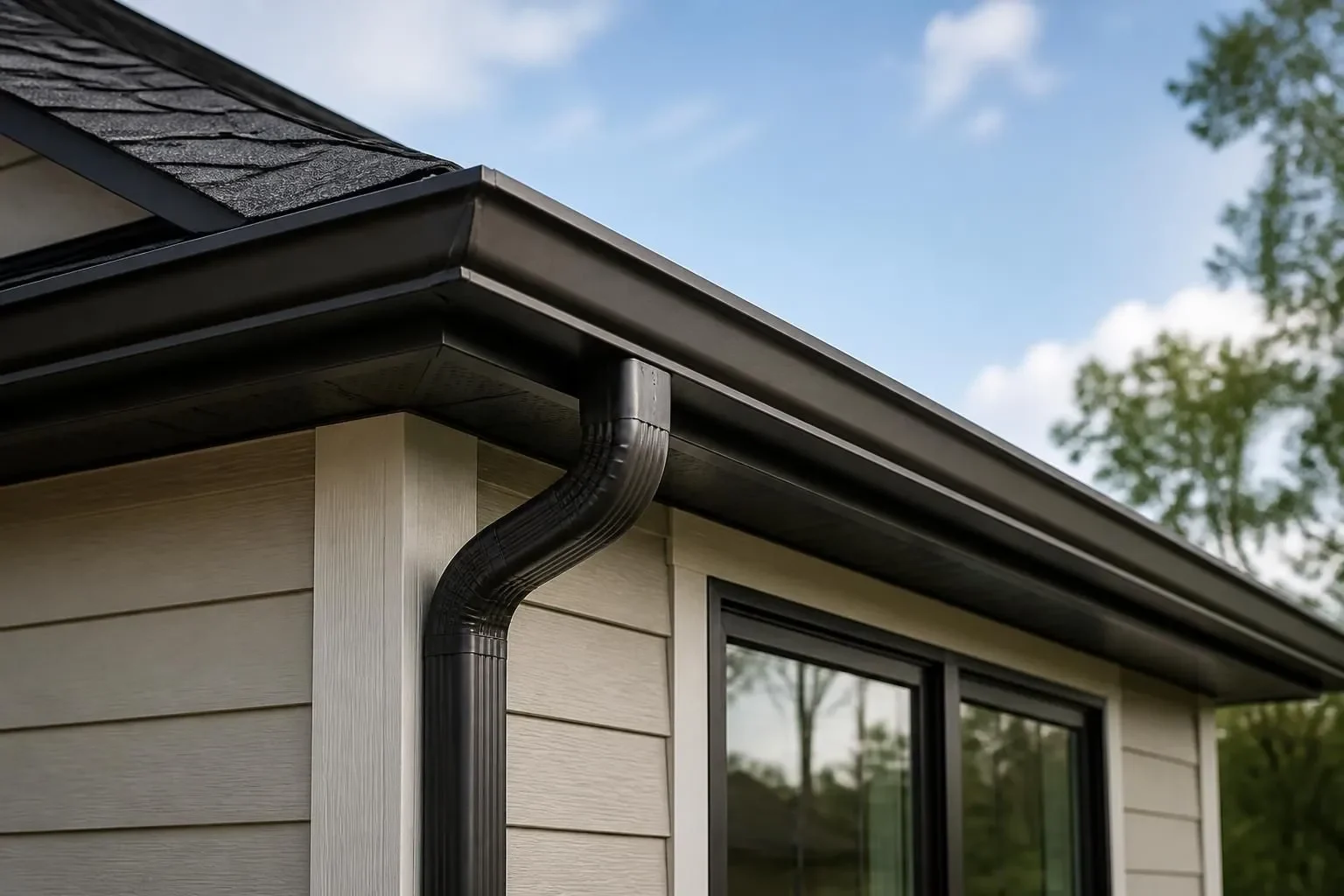
Gutter Installation
Protect your home from overflow and edge damage with careful gutter installation.
Get Started
Talk With A Roofing Team You Can Rely On
Share what you are seeing on your roof, whether it is a leak, missing shingles, storm damage, or an aging system. We will help you understand the next step and what your home may need.
Or call us now:+1-303-555-0172